Parchment Street Dental - Header
Home Aesthetics Polynucleotides

Polynucleotides in Winchester

Regeneration at the cellular level.
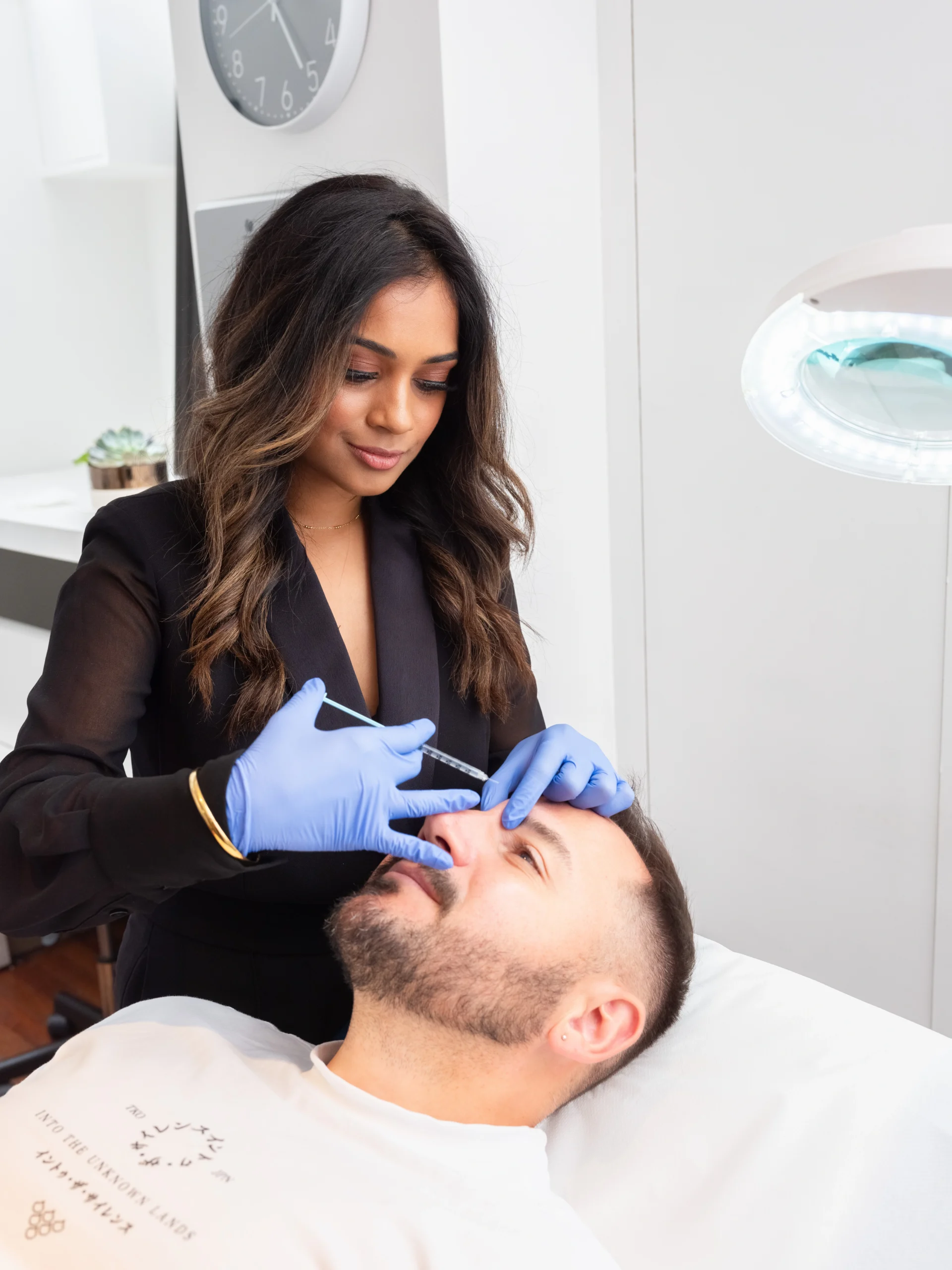
Polynucleotide skin treatment in Winchester at Parchment Street Dental
Parchment Street Dental, Winchester
Not a filler
Polynucleotides do not add volume. They work by stimulating the skin's own repair mechanisms, encouraging collagen and elastin production from within
A course of treatments
An initial course of three sessions, spaced three to four weeks apart, is typically recommended for optimal results, with maintenance every four to six months
Regenerative by design
Derived from highly purified DNA, polynucleotides work at the cellular level to repair, regenerate, and restore the skin in ways that surface skincare cannot reach
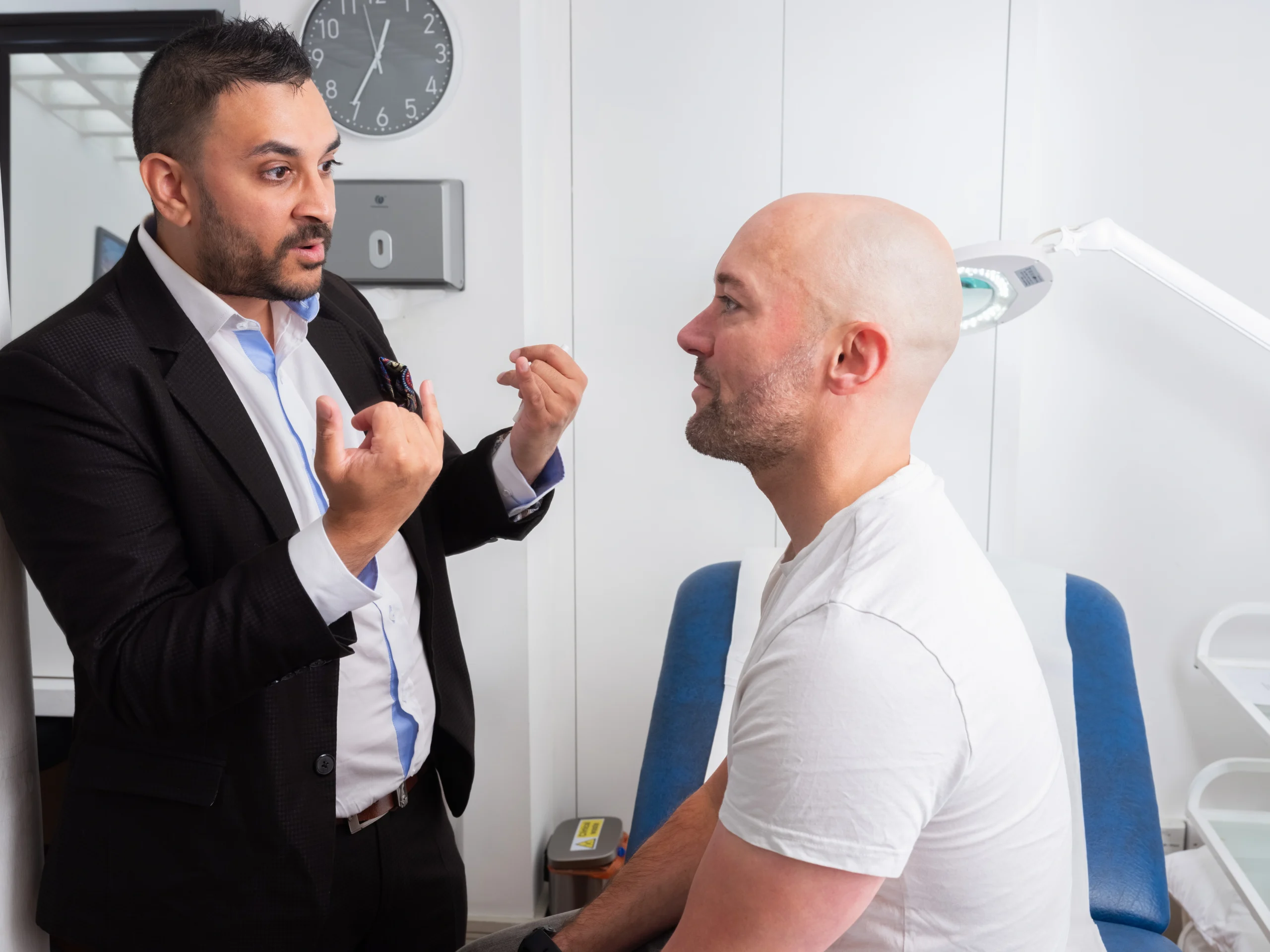
Polynucleotide treatment consultation at Parchment Street Dental Winchester
What are polynucleotides

Your skin's own
repair system, activated.

Polynucleotides are highly purified fragments of DNA, derived from salmon or trout and processed to ensure safety and biocompatibility. When injected into the skin, they act as signalling molecules that activate the skin's own repair and regeneration mechanisms, stimulating fibroblast activity, collagen and elastin production, and cellular renewal at a level that topical skincare simply cannot reach. Rather than adding anything to the skin, polynucleotides work by instructing the skin to repair and renew itself from within, making the improvement genuinely biological rather than cosmetic in nature.

The treatment is particularly effective for patients whose primary concern is skin quality: dullness, fine lines from dehydration and thinning, uneven texture, and a general loss of the resilience and luminosity that characterises younger-looking skin. It is also increasingly used for more specific concerns such as under-eye hollowing, skin laxity along the jawline, and hair thinning. Results develop gradually over a course of three sessions, with the skin continuing to improve for several weeks after the final treatment as the regenerative process progresses.

Polynucleotides do not change the face. They restore the skin's own capacity to look and function at its best.

Book a consultation
Why choose us

Regeneration
done properly.

Polynucleotides require precision, knowledge of facial anatomy, and a considered approach to treatment planning. Our clinicians bring all three, alongside the broader clinical context that comes from working in a dental practice that understands the face in its entirety.


Dr Yasmin Patel
Aesthetics lead
Dr Yasmin Patel
GDC 271839
Dr Savan Shah
Principal dentist
Dr Savan Shah
GDC 176442
Dr Shideh Gilmore-Parvazi
Dentist
Dr Shideh Gilmore-Parvazi
GDC 101916
01

Skin repair at the cellular level

Unlike treatments that sit on or within the skin, polynucleotides work by activating the skin's own biological repair mechanisms. The DNA fragments signal fibroblasts to increase collagen and elastin production, accelerate cellular turnover, and improve the structural integrity of the skin from the inside out. The result is a genuine improvement in skin health, not just its appearance, and one that continues to develop long after the final session in a course.

02

Exceptional for delicate areas

One of the most notable qualities of polynucleotides is their suitability for areas that other treatments struggle to address effectively. The under-eye area, with its exceptionally thin and sensitive skin, responds particularly well. Polynucleotides improve tissue density and reduce the hollowed, crepey appearance that makes the periorbital area look tired, without the risk of the puffiness or migration associated with filler in this zone. They are also highly effective along the jawline, neck, and around the mouth.

03

Anti-inflammatory properties

Polynucleotides have well-documented anti-inflammatory properties, making them particularly well suited to patients with sensitive, reactive, or rosacea-prone skin. While many aesthetic treatments can aggravate such skin types, polynucleotides actively calm inflammation as part of their regenerative action. This makes them one of the few injectable treatments that can benefit patients who have previously found other procedures difficult to tolerate, and a valuable option for those whose skin needs support as well as rejuvenation.

04

A strong foundation for other treatments

Polynucleotides work particularly well as the foundation on which other aesthetic treatments build. Patients who combine them with Profhilo, dermal filler, or anti-wrinkle injections typically find that their results appear more refined, last longer, and require less product to achieve. By improving the underlying quality and resilience of the skin, polynucleotides create the conditions in which everything else performs better. At consultation we always consider the full picture and recommend combinations only when they genuinely serve you.

Your treatment journey

What to expect at
every stage.

A polynucleotide course at Parchment Street Dental is a considered three-session process. Select each step to find out what is involved.
01 Consultation
02 The course
03 Results
04 Maintenance
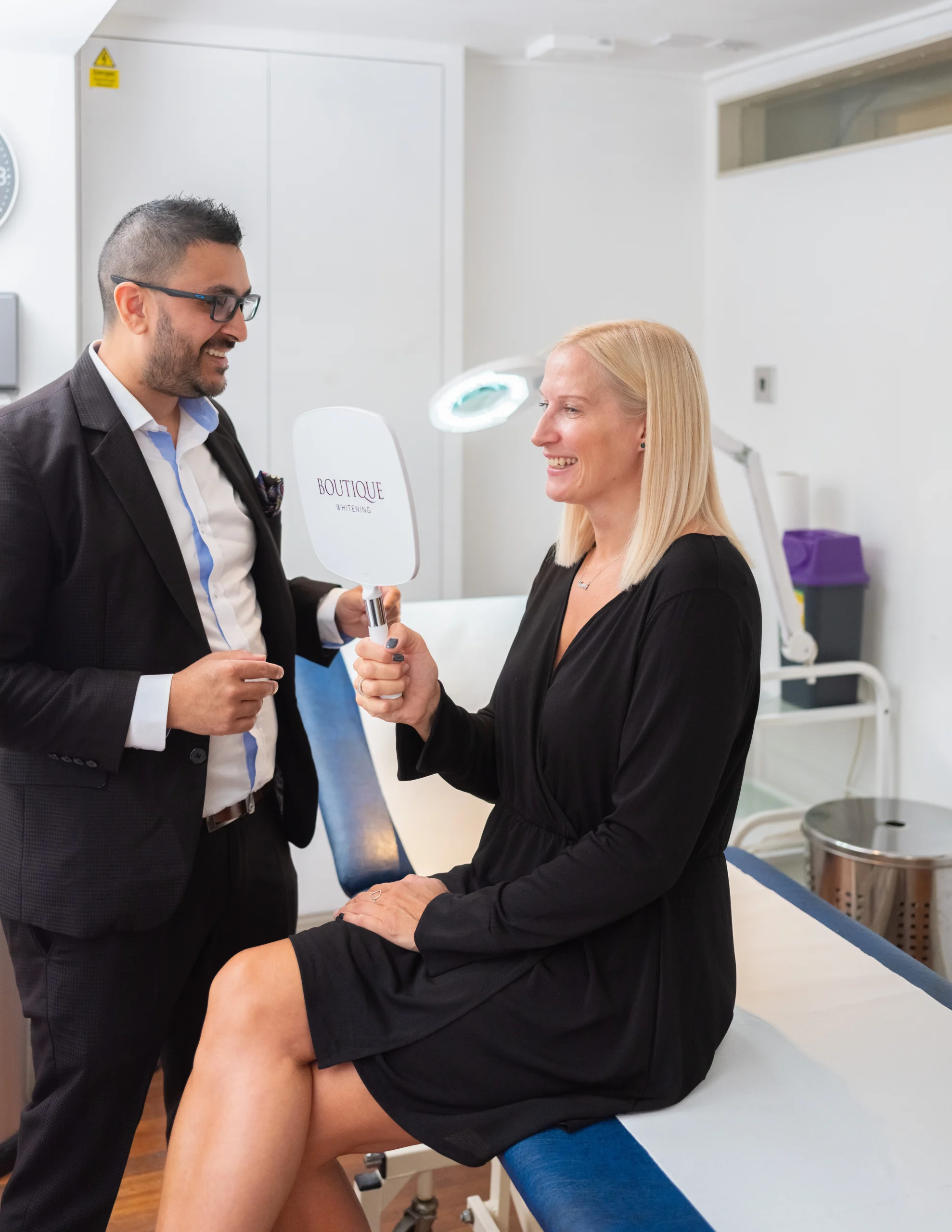
Polynucleotide consultation at Parchment Street Dental Winchester
Step 01 of 04
Skin consultation

We begin by assessing your skin in detail: its quality, texture, areas of concern, and your goals. We discuss what polynucleotides can realistically achieve and whether they are the most appropriate treatment for what you are hoping to address, or whether a combined approach would serve you better. We also assess your skin type and any sensitivities, which is particularly relevant given the anti-inflammatory properties of polynucleotides. There is never any pressure to proceed on the day.

What polynucleotides can address

One treatment,
many concerns.

Polynucleotides address a wide range of skin concerns and can be used across multiple areas. Their regenerative and anti-inflammatory properties make them particularly versatile.

1 / 3
01

The under-eye area

The periorbital area has some of the thinnest and most delicate skin on the face, making it one of the most challenging zones to treat. Polynucleotides are particularly well suited here, improving tissue density, reducing the hollowed or crepey appearance, and brightening the under-eye without the risk of puffiness or migration associated with filler in this sensitive zone.

02

Fine lines and texture

By stimulating collagen and elastin production, polynucleotides gradually improve fine lines caused by skin thinning and dehydration, and smooth uneven or rough surface texture. Results develop over several weeks as the regenerative process progresses, with the skin becoming progressively more resilient, smoother, and more even in quality across the treated area.

03

Skin laxity

Loss of firmness and skin laxity along the jawline, cheeks, and neck responds well to polynucleotide treatment. As elastin production is stimulated and the structural integrity of the dermis improves, the skin gradually becomes firmer and more resilient. This is particularly effective for mild to moderate laxity and works well alongside other treatments for a more complete result.

04

Sensitive or reactive skin

The anti-inflammatory properties of polynucleotides make them one of the few injectable treatments that actively benefit sensitive, reactive, or rosacea-prone skin. Rather than aggravating these skin types, treatment calms inflammation as part of the regenerative process. This makes polynucleotides a valuable option for patients who have previously found other aesthetic treatments difficult to tolerate.

05

Acne scarring

By accelerating cellular turnover and stimulating the skin's own repair mechanisms, polynucleotides can improve the appearance of mild to moderate acne scarring over a course of treatment. The regenerative process encourages the remodelling of scar tissue and improves overall skin texture, making the scarring appear less defined and the skin more even. Results are gradual and cumulative, building with each session.

06

Dull or fatigued skin

Skin that appears flat, dull, or consistently fatigued often reflects a decline in cellular activity and skin metabolism beneath the surface. Polynucleotides restore this activity, encouraging cellular renewal and improving the skin's capacity to look and function at its best. Many patients describe their skin looking more luminous and awake within a few weeks of beginning a course, even before the full structural improvements are apparent.

07

The neck and décolletage

The neck and décolletage are frequently neglected in skincare routines yet are among the first areas to show signs of thinning, crepey texture, and loss of firmness. Polynucleotides work effectively across both areas, improving skin quality, hydration, and resilience. Treatment of the neck alongside the face creates a more cohesive and naturally rejuvenated overall appearance.

08

Hair thinning

Polynucleotides are increasingly used to address hair thinning and scalp health by stimulating the cellular activity and blood supply at the follicle level. When injected into the scalp, they encourage the repair and regeneration of the follicular environment, supporting hair growth and improving the density and quality of existing hair. This is a growing area of treatment that we can discuss in detail at consultation.

Polynucleotide treatment at Parchment Street Dental Winchester
Polynucleotides or Profhilo

Which is right
for you?

Polynucleotides and Profhilo are both regenerative skin treatments and are often confused, but they work through different mechanisms and are best suited to different concerns. Profhilo uses ultra-pure hyaluronic acid to deeply hydrate and stimulate collagen and elastin, with a particular strength in improving overall skin quality and radiance. Polynucleotides use purified DNA fragments to activate the skin's own cellular repair processes, making them especially effective for delicate areas, sensitive skin types, and concerns that require regeneration at the tissue level rather than hydration alone. Many patients benefit from both, used together or in sequence.

Polynucleotides
Cellular repair and tissue regeneration
Excellent for delicate areas and under-eye
Anti-inflammatory: suits sensitive skin
Course of three sessions
Results last 4 to 6 months
Profhilo
Deep hydration and skin remodelling
Best for overall skin quality and radiance
Spreads widely across larger areas
Course of two sessions
Results last 6 to 9 months

For sensitive skin or delicate areas like the under-eye, polynucleotides are often the better starting point. For broad skin quality improvement and radiance, Profhilo excels. Used together, they address the skin more completely than either can alone.

Book a consultation
Frequently asked questions

Things people
often wonder.

Everything you might want to know before your polynucleotide consultation. Still have a question? We are always happy to help.

No. Both are regenerative skin treatments but they work through entirely different mechanisms. Profhilo uses ultra-pure hyaluronic acid to deeply hydrate the skin and stimulate collagen and elastin production. Polynucleotides use purified DNA fragments to activate the skin's own cellular repair processes at a more fundamental biological level. They have different strengths, suit different concerns, and work exceptionally well in combination.

An initial course of three sessions, spaced three to four weeks apart, is recommended for optimal results. The regenerative process is cumulative, with each session building on the last, and the full effect develops over the weeks following the final treatment. Maintenance is typically a single session every four to six months, rather than a repeat full course.

Yes. Polynucleotides are one of the few injectable treatments that actively benefit sensitive or reactive skin types, including those prone to rosacea. Their anti-inflammatory properties mean they calm irritation as part of the regenerative process rather than aggravating it. They are also well tolerated by patients who have previously found other aesthetic treatments uncomfortable or unsuitable for their skin. We will assess your skin type thoroughly at consultation to confirm suitability.

Many patients notice improvements in skin hydration and brightness within the first two to three weeks. More significant changes in texture, firmness, and resilience develop gradually over the course of treatment and the weeks that follow the final session. Results are progressive rather than immediate, which is part of what makes them appear so natural. The full benefit of a course is typically most noticeable at around six to eight weeks after the final session.

Yes, and this is one of the areas where polynucleotides offer a particular advantage over other treatments. The periorbital skin is exceptionally thin and delicate, making it poorly suited to filler in many cases. Polynucleotides improve tissue density and reduce the hollowed, crepey appearance of the under-eye without adding volume, which makes results look entirely natural and avoids the puffiness that filler can sometimes cause in this zone. We discuss expectations carefully at consultation for this area.

Polynucleotides in Winchester

Your skin's own repair system, activated.

New patients welcome
Book a
consultation
Scroll to Top